Plumbing Systems Explained: Why Professional Plumbing Services Are Essential for Every Property

Plumbing is one of the most important systems in any residential or commercial property, yet it often goes unnoticed until a problem occurs. From delivering clean water to safely removing wastewater, a properly functioning plumbing system supports daily comfort, hygiene, and convenience. Whether it is a newly constructed property or an older building requiring upgrades, quality plumbing plays a vital role in maintaining efficiency and preventing costly damage. Understanding the importance of plumbing services can help property owners make informed decisions that protect both their investment and their quality of life.

plumbing

A modern plumbing system is designed to handle multiple functions simultaneously. It provides access to clean water for drinking, cooking, cleaning, and bathing, while ensuring that wastewater is safely transported off the property. Behind every faucet, sink, shower, and appliance is a network of pipes, valves, drains, and fixtures working together to maintain reliable performance. Because these components are interconnected, even a small issue in one area can affect the overall system. Regular maintenance and professional plumbing services help identify potential issues before they require major repairs.

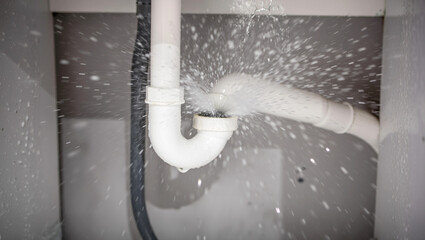
One of the most common reasons property owners seek plumbing services is to address leaks. While a dripping faucet may appear insignificant, even minor leaks can waste substantial amounts of water over time. Hidden leaks within walls, floors, or underground pipes can be even more problematic because they often remain undetected until significant damage has occurred. Water intrusion can weaken structural materials, promote mold growth, and increase utility costs. Prompt leak detection and repair help preserve the integrity of the property while improving water efficiency.

Plumbing maintenance is often overlooked until an emergency arises, but routine inspections offer numerous benefits. Preventive maintenance allows plumbing professionals to evaluate the condition of pipes, drains, fixtures, and water supply systems before problems escalate. Identifying early signs of corrosion, wear, or blockage can significantly reduce repair expenses and extend the lifespan of the plumbing infrastructure. Regular maintenance also helps ensure that all components continue operating efficiently, reducing unnecessary water consumption and minimizing disruptions to daily activities.

Several important benefits make preventive plumbing maintenance a worthwhile investment:

  1. Early detection of leaks and hidden water damage.
  2. Improved water efficiency and reduced utility costs.
  3. Extended lifespan of pipes and fixtures.
  4. Reduced risk of emergency repairs.
  5. Enhanced overall system performance.

Property owners who prioritize routine maintenance often experience fewer plumbing emergencies and lower long-term ownership costs.

Drain systems represent another critical component of a property’s plumbing infrastructure. Drains are responsible for carrying wastewater away from sinks, showers, bathtubs, and appliances. Over time, grease, soap residue, food particles, hair, and other debris can accumulate within drain lines, restricting water flow and causing clogs. Slow drains may initially seem like a minor inconvenience, but they can eventually lead to backups, unpleasant odors, and potential water damage. Professional drain cleaning services help remove buildup and restore proper drainage, allowing the entire plumbing system to function more effectively.

Water quality is also closely connected to plumbing performance. Pipes and plumbing fixtures influence how water travels throughout a property, and aging components can affect water clarity, taste, and reliability. Upgrading outdated plumbing systems can improve water delivery while reducing the likelihood of leaks and pressure issues. Modern plumbing materials are often designed to resist corrosion and provide enhanced durability, making them a valuable investment for property owners seeking long-term reliability and improved performance.

The installation of new plumbing systems requires careful planning and precise workmanship. Whether constructing a new building or renovating an existing property, proper plumbing design ensures that water supply and drainage systems meet the demands of daily use. Poor installation practices can result in recurring leaks, inadequate water pressure, inefficient drainage, and costly repairs. Professional plumbing services help ensure that all components are correctly installed and integrated into the overall system, supporting reliable operation for years to come.

Another important aspect of plumbing involves water conservation. As utility costs continue to rise, many property owners are looking for ways to reduce water consumption without sacrificing comfort or convenience. Modern plumbing solutions often include water-efficient fixtures, upgraded piping systems, and improved technologies that minimize waste. These improvements not only reduce monthly expenses but also support environmentally responsible resource management. Investing in efficient plumbing upgrades can provide both immediate and long-term financial benefits.

When considering plumbing improvements, several upgrades can offer significant value:

  1. Water-efficient faucets and showerheads.
  2. Modern toilets designed to reduce water usage.
  3. Updated piping materials with improved durability.
  4. Smart leak detection systems.
  5. Energy-efficient water heating equipment.

These upgrades can enhance system performance while helping property owners manage water and energy consumption more effectively.

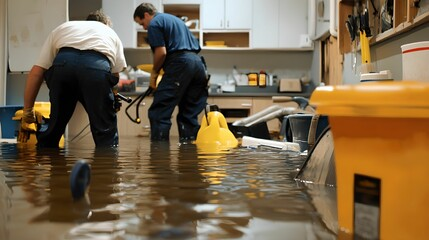
Emergency plumbing situations can occur unexpectedly and often require immediate attention. Burst pipes, severe leaks, overflowing drains, and water supply failures can cause extensive property damage if not addressed quickly. In these situations, professional plumbing services play a crucial role in minimizing losses and restoring functionality. Rapid response and accurate diagnosis help prevent further complications while ensuring that repairs are completed safely and efficiently. Having access to dependable plumbing expertise provides peace of mind when unexpected issues arise.

Technology has also transformed the plumbing industry in recent years. Advanced diagnostic tools allow professionals to identify hidden leaks, inspect pipes, and evaluate system performance with greater accuracy than ever before. These innovations reduce guesswork and enable more targeted repairs, saving both time and money. Modern plumbing solutions focus not only on fixing problems but also on improving system efficiency and long-term reliability. As technology continues to evolve, property owners can benefit from more effective and less invasive plumbing services.

The value of professional plumbing extends beyond repairs and installations. A properly maintained plumbing system contributes to health, safety, comfort, and property preservation. Reliable access to clean water and effective wastewater removal are essential components of everyday life. By investing in quality plumbing services and routine maintenance, property owners can protect their infrastructure while avoiding many of the common issues associated with neglected systems.

In conclusion, plumbing is a foundational element of every functional property. From water supply and drainage to leak prevention and system upgrades, plumbing services help ensure that homes and businesses operate efficiently and safely. Regular maintenance, timely repairs, and strategic improvements can extend the lifespan of plumbing systems while reducing costs and preventing disruptions. By recognizing the importance of professional plumbing care, property owners can enjoy greater reliability, improved efficiency, and long-term peace of mind.

Complete Plumbing System Inspections for Reliable Performance

A plumbing system is one of the most important yet often overlooked components of any residential property. Most homeowners rely on their plumbing every day without giving much thought to the network of pipes, fixtures, valves, drains, and water supply lines operating behind walls and beneath floors. However, when a plumbing issue arises, the consequences can be costly, disruptive, and potentially damaging to the property. This is why complete plumbing system inspections have become an essential part of proactive home maintenance.

A thorough plumbing inspection does far more than identify obvious leaks or clogged drains. It provides a comprehensive evaluation of the entire system, helping uncover hidden issues before they develop into major repairs. From maintaining water efficiency and protecting structural integrity to preventing water damage and extending the lifespan of plumbing components, regular Ranger Plumbing Company inspections play a critical role in ensuring reliable performance.

plumbing inspection

Understanding the value of complete plumbing system inspections can help homeowners make informed decisions about maintenance and long-term property care. By identifying problems early and ensuring that every component functions properly, inspections contribute to a safer, more efficient, and more dependable plumbing system.

Understanding the Importance of a Plumbing System Inspection

Plumbing systems are complex networks that operate continuously throughout a property. Water supply lines deliver fresh water to fixtures and appliances, while drain lines remove wastewater safely and efficiently. Because these systems are often hidden behind finished surfaces, many problems can develop unnoticed for extended periods.

Small leaks, corrosion, pressure irregularities, and drainage issues may not immediately cause visible symptoms. However, over time, these seemingly minor concerns can result in water damage, mold growth, increased utility costs, and expensive repairs.

A complete plumbing inspection serves as a preventative measure that allows homeowners to identify and address issues before they escalate. Rather than waiting for a pipe to burst or a drain to fail, inspections provide valuable insight into the condition of the entire system.

The goal is not only to find existing problems but also to evaluate potential vulnerabilities that could affect future performance.

What Is Included in a Complete Plumbing Inspection?

A comprehensive plumbing inspection examines all major components of the plumbing system to ensure they are functioning correctly and efficiently. While the exact scope may vary depending on the property’s size and age, most inspections involve a detailed assessment of water supply systems, drainage systems, fixtures, and related equipment.

Key areas commonly evaluated include:

  1. Water supply lines.
  2. Drain and sewer systems.
  3. Plumbing fixtures and faucets.
  4. Water heaters.
  5. Shut-off valves.
  6. Pipe connections and fittings.
  7. Water pressure levels.
  8. Signs of leaks or corrosion.

By reviewing these components systematically, inspectors gain a complete understanding of the system’s condition and performance.

Detecting Hidden Leaks Before They Cause Damage

One of the most valuable benefits of a plumbing inspection is the ability to detect hidden leaks. Not all leaks produce visible water stains or puddles. In many cases, water escapes slowly behind walls, under flooring, or within ceilings where it can remain unnoticed for months.

Even small leaks can cause significant damage over time. Moisture accumulation may weaken building materials, promote mold growth, and increase water bills. Left unaddressed, these issues can lead to costly restoration projects.

During a plumbing inspection, professionals look for signs of hidden moisture, pressure loss, and pipe deterioration that may indicate concealed leaks. Early detection helps minimize damage and allows repairs to be completed before major problems develop.

Evaluating Water Pressure and Flow

Water pressure plays a critical role in the performance of a plumbing system. Insufficient pressure can make daily tasks inconvenient, while excessively high pressure can place unnecessary stress on pipes, fixtures, and appliances.

A complete plumbing inspection includes testing water pressure throughout the property to ensure it remains within recommended operating ranges. If pressure irregularities are identified, inspectors can determine the underlying cause and recommend corrective action.

Common causes of pressure issues include:

  1. Pipe blockages.
  2. Corrosion buildup.
  3. Faulty pressure regulators.
  4. Hidden leaks.
  5. Aging plumbing infrastructure.

Maintaining proper water pressure improves efficiency and helps protect plumbing components from premature wear.

Assessing Pipe Condition and Longevity

Pipes are the foundation of any plumbing system, and their condition has a direct impact on reliability. Over time, pipes may experience corrosion, scaling, cracking, or joint deterioration.

A complete inspection evaluates pipe condition to identify signs of aging or damage. This assessment is especially important in older properties where plumbing materials may have exceeded their expected service life.

Inspectors typically look for:

  1. Corrosion and rust.
  2. Mineral buildup.
  3. Pipe misalignment.
  4. Cracks and fractures.
  5. Evidence of previous repairs.

Understanding the condition of the piping network allows homeowners to plan maintenance and replacement projects proactively rather than reacting to sudden failures.

Inspecting Drainage Systems for Proper Function

Effective drainage is just as important as a reliable water supply. Drain systems must transport wastewater away from the property efficiently while preventing backups and odors.

A plumbing inspection includes evaluating drainage performance and identifying any signs of obstruction or deterioration. Slow drains, recurring clogs, and unpleasant odors often indicate underlying issues within the drainage network.

Common drainage concerns identified during inspections include:

  1. Partial blockages.
  2. Pipe damage.
  3. Improper slope or alignment.
  4. Root intrusion.
  5. Accumulated debris.

Addressing these issues early helps prevent backups and protects the overall health of the plumbing system.

Water Heater Performance and Safety Evaluation

Water heaters are among the most heavily used plumbing appliances in a home. Because they operate daily, regular inspection is essential to maintain efficiency and safety.

During a complete plumbing inspection, the water heater is evaluated for signs of wear, corrosion, sediment accumulation, and performance issues. Inspectors also check safety components such as pressure relief valves and connections.

A properly functioning water heater offers several advantages:

  1. Consistent hot water supply.
  2. Improved energy efficiency.
  3. Reduced risk of leaks.
  4. Extended equipment lifespan.
  5. Enhanced household comfort.

Routine inspection helps identify maintenance needs before major failures occur.

Preventing Costly Water Damage

Water damage is one of the most expensive consequences of plumbing system failures. A burst pipe, leaking connection, or failed fixture can quickly release large amounts of water into a property.

The financial impact often extends beyond plumbing repairs and may include:

  1. Flooring replacement.
  2. Drywall repairs.
  3. Mold remediation.
  4. Furniture restoration.
  5. Structural repairs.

Regular inspections significantly reduce these risks by identifying vulnerabilities before they result in active leaks or system failures.

Preventative maintenance is almost always more affordable than emergency repairs and restoration work.

Improving Water Efficiency

Water efficiency has become an increasingly important consideration for homeowners seeking to reduce utility costs and conserve resources. Plumbing inspections help identify areas where water may be wasted due to leaks, inefficient fixtures, or pressure imbalances.

Even minor inefficiencies can contribute to higher utility bills over time. By addressing these issues, homeowners can improve overall system performance while lowering monthly water consumption.

Inspection findings may reveal opportunities such as:

  1. Repairing hidden leaks.
  2. Replacing worn fixtures.
  3. Improving pressure regulation.
  4. Updating aging plumbing components.
  5. Optimizing appliance performance.

These improvements contribute to both environmental sustainability and long-term cost savings.

Supporting Property Value

A well-maintained plumbing system adds value to a property by demonstrating that essential infrastructure has been properly cared for. Prospective buyers often view plumbing condition as a key indicator of overall maintenance quality.

Documented inspections provide reassurance that the system has been evaluated and maintained regularly. This can increase buyer confidence and help prevent unexpected issues during property transactions.

In addition to supporting resale value, regular inspections help preserve the property’s structural integrity and long-term functionality.

Signs That a Plumbing Inspection Is Needed

While annual inspections are often recommended, certain warning signs indicate that an immediate evaluation may be beneficial.

Common indicators include:

  1. Unexplained increases in water bills.
  2. Low water pressure.
  3. Slow-draining sinks or tubs.
  4. Frequent clogs.
  5. Water stains on walls or ceilings.
  6. Unusual plumbing noises.
  7. Persistent odors from drains.

These symptoms often point to underlying issues that require professional attention.

The Long-Term Benefits of Routine Inspections

Plumbing systems represent a significant investment, and protecting that investment requires ongoing maintenance. Routine inspections provide valuable information that helps homeowners make proactive decisions about repairs, upgrades, and preventative care.

Long-term benefits include:

  1. Increased system reliability.
  2. Reduced emergency repair costs.
  3. Improved water efficiency.
  4. Extended equipment lifespan.
  5. Enhanced property protection.
  6. Greater peace of mind.

By identifying issues before they become serious, inspections help ensure consistent performance and minimize unexpected disruptions.

Complete plumbing system inspections are one of the most effective ways to maintain reliable performance and protect a property’s infrastructure. By evaluating water supply lines, drainage systems, fixtures, water heaters, and related components, inspections provide a comprehensive picture of system health and functionality.

Rather than waiting for visible signs of failure, proactive inspections help uncover hidden problems, improve efficiency, and prevent costly repairs. They also support property value, reduce water waste, and contribute to the long-term reliability of the entire plumbing network.

For homeowners seeking to protect their investment and avoid unexpected plumbing emergencies, regular plumbing system inspections are an essential part of responsible property maintenance. With proper evaluation and preventative care, a plumbing system can continue to perform efficiently and dependably for many years to come.

Whispers Beneath the Ground: The Science and Renewal of Septic Pumping

Beneath the surface of countless residential properties lies a system that quietly performs one of the most important functions in modern living. Hidden from view and often overlooked until problems arise, septic systems manage wastewater safely and efficiently, allowing households to maintain sanitation and comfort every day. While most people rarely think about what happens after water disappears down a drain, a remarkable biological and mechanical process begins underground. At the heart of this process is septic pumping, a critical maintenance service that preserves system performance and protects both property and environmental health.

septic plumbing

The phrase “whispers beneath the ground” captures the silent nature of septic systems. These underground systems work continuously, relying on natural decomposition, careful engineering, and periodic maintenance to operate effectively. Among the most important maintenance procedures is septic pumping, which removes accumulated waste before it can disrupt the delicate balance within the system. Understanding the science behind septic pumping and its role in system renewal reveals why this service remains essential for long-term wastewater management. Visit Website to see more.

Understanding How Septic Systems Work

To appreciate the importance of septic pumping, it is necessary to understand the basic operation of a septic system. Unlike municipal sewer systems that transport wastewater to centralized treatment facilities, septic systems process wastewater on-site through a combination of physical separation and biological decomposition.

When wastewater leaves a home, it enters a septic tank where solids, liquids, and floating materials separate naturally. Heavy solids settle to the bottom, forming a layer known as sludge. Oils, grease, and lighter materials rise to the top, creating a scum layer. Between these layers is partially clarified liquid wastewater, often referred to as effluent.

The effluent eventually flows into a drain field where it undergoes additional filtration and treatment within the soil. Beneficial bacteria play a critical role throughout this process by breaking down organic matter and reducing waste accumulation.

Although bacterial activity helps reduce solid waste, it cannot eliminate all of it. Over time, sludge and scum continue to build up inside the tank, making periodic pumping necessary.

The Hidden Science Inside a Septic Tank

A septic tank is far more than a simple storage container. It functions as a biological treatment chamber where naturally occurring microorganisms break down organic material. This microbial ecosystem is essential to the effectiveness of the entire system.

Within the tank, anaerobic bacteria thrive in oxygen-poor conditions. These organisms digest portions of the organic waste entering the tank, reducing solid volume and slowing accumulation rates. While this process is highly effective, it does not completely eliminate waste.

Over months and years, residual solids gradually collect at the bottom and top of the tank. If these layers become too thick, they reduce the tank’s capacity and interfere with proper wastewater separation.

The science behind septic pumping revolves around maintaining this balance. By removing accumulated solids at appropriate intervals, pumping preserves the tank’s ability to perform its treatment functions efficiently.

What Is Septic Pumping?

Septic pumping is the process of removing accumulated sludge, scum, and wastewater from a septic tank using specialized vacuum equipment. The goal is not to clean the tank completely but to eliminate excess buildup that could compromise system performance.

During pumping, a service technician accesses the tank through designated openings and uses powerful equipment to extract waste materials. The contents are then transported for proper treatment and disposal according to regulatory requirements.

This process restores available tank capacity and allows the biological treatment cycle to continue functioning effectively. Without periodic pumping, solids can eventually overflow into the drain field, causing extensive and expensive damage.

Why Septic Pumping Matters

Many property owners underestimate the importance of routine septic maintenance because the system operates underground and often shows no visible signs of trouble until problems become severe. However, septic pumping is one of the most effective ways to prevent costly repairs and system failures.

When a tank becomes overloaded with sludge and scum, wastewater can no longer separate properly. Solids may migrate into the drain field, clogging soil pores and disrupting wastewater filtration.

Regular pumping helps:

  1. Prevent drain field damage.
  2. Reduce the risk of sewage backups.
  3. Improve overall system efficiency.
  4. Extend septic system lifespan.
  5. Protect groundwater quality.
  6. Reduce long-term repair costs.

These benefits make septic pumping a critical investment in both property protection and environmental stewardship.

Signs That a Septic Tank Needs Pumping

Although septic pumping schedules vary based on system size and household usage, certain warning signs often indicate that pumping may be necessary.

Common indicators include:

  1. Slow-draining sinks, tubs, and showers.
  2. Unpleasant odors near drains or outdoor system components.
  3. Gurgling sounds in plumbing fixtures.
  4. Standing water near the drain field.
  5. Sewage backups within the property.
  6. Lush, unusually green grass above septic components.

These symptoms often suggest that the tank is approaching capacity or that wastewater flow is being restricted.

Addressing these signs promptly can help prevent more serious complications and preserve system functionality.

Factors That Influence Pumping Frequency

There is no universal pumping schedule that applies to every septic system. Several factors influence how quickly solids accumulate and how often pumping is required.

The most significant factors include:

  1. Household size.
  2. Daily water usage.
  3. Septic tank capacity.
  4. Waste composition.
  5. Use of garbage disposals.
  6. Maintenance practices.

Larger households typically generate more wastewater and solids, leading to faster accumulation. Similarly, excessive water usage can increase system stress and reduce treatment efficiency.

Understanding these variables helps property owners establish maintenance schedules that align with their specific needs.

The Connection Between Septic Pumping and Environmental Protection

Septic pumping benefits more than individual properties. It also plays an important role in protecting the surrounding environment.

When septic systems function properly, wastewater receives effective treatment before entering the soil. However, neglected systems can release untreated contaminants into groundwater and nearby ecosystems.

Excessive sludge accumulation increases the likelihood of system failure, which can result in nutrient pollution, bacterial contamination, and water quality concerns.

Routine pumping helps maintain treatment efficiency and supports responsible wastewater management. By preventing system overloads, property owners contribute to broader environmental protection efforts while safeguarding local water resources.

Extending System Lifespan Through Preventative Maintenance

Septic systems represent a significant infrastructure investment. Replacing a failed system can be expensive and disruptive, often requiring excavation, reconstruction, and extensive permitting processes.

Routine septic pumping is one of the most effective forms of preventative maintenance available. By removing accumulated waste before it causes damage, pumping reduces stress on system components and helps preserve long-term functionality.

Preventative maintenance benefits include:

  1. Reduced likelihood of major repairs.
  2. Improved treatment performance.
  3. Longer drain field lifespan.
  4. Lower overall maintenance costs.
  5. Increased system reliability.

A well-maintained septic system can continue operating effectively for decades, making routine pumping a valuable long-term strategy.

Common Misconceptions About Septic Pumping

Despite its importance, several misconceptions persist regarding septic maintenance.

One common myth is that additives can eliminate the need for pumping. While certain products claim to enhance bacterial activity, they cannot remove accumulated sludge from the tank. Pumping remains necessary regardless of additive use.

Another misconception is that a septic tank only requires attention when problems occur. In reality, waiting for visible symptoms often means the system has already experienced significant stress.

Proactive maintenance is far more effective and economical than responding to emergencies after damage has occurred.

The Renewal Aspect of Septic Pumping

The concept of renewal is central to understanding the value of septic pumping. While the service involves removing waste, its ultimate purpose is to restore system balance and functionality.

Each pumping cycle effectively resets the tank’s capacity, allowing biological processes to continue operating efficiently. By removing excess accumulation, pumping renews the system’s ability to separate wastewater, support bacterial activity, and protect the drain field.

This renewal process ensures that the septic system remains capable of performing its essential role within the property infrastructure.

Far from being a simple maintenance task, septic pumping represents an investment in long-term performance, reliability, and sustainability.

Modern Advances in Septic Maintenance

Advancements in inspection technology and maintenance practices have improved the effectiveness of septic system care. Modern inspections often utilize specialized equipment to evaluate tank condition, monitor sludge levels, and identify potential issues before they become serious.

These advancements allow for more precise maintenance planning and help property owners make informed decisions about system care.

As awareness of environmental responsibility grows, septic maintenance practices continue evolving to emphasize efficiency, sustainability, and proactive management.

Conclusion

The silent operation of a septic system often conceals the remarkable science occurring beneath the ground. Through a combination of biological treatment, wastewater separation, and soil filtration, these systems perform essential functions that support modern living. However, their effectiveness depends on regular maintenance, with septic pumping serving as one of the most critical components of long-term care.

By removing accumulated sludge and scum, septic pumping preserves system capacity, protects drain fields, prevents costly failures, and supports environmental health. It is both a scientific necessity and a practical investment in property protection.

The whispers beneath the ground may go unnoticed on a daily basis, but they tell a story of continuous activity, careful balance, and ongoing renewal. Through routine septic pumping, property owners ensure that this hidden system continues to operate reliably, efficiently, and sustainably for years to come.

How to Budget for Bathroom Remodeling

Bathroom remodeling is one of the most impactful home improvement projects you can undertake, both in terms of daily comfort and long-term property value. However, it is also one of the most commonly mismanaged when it comes to budgeting. Costs can escalate quickly if planning is vague, expectations are unrealistic, or unexpected issues arise during construction. A well-structured budget does not just determine how much you will spend; it shapes the entire scope, quality, and success of the renovation itself. Understanding how to allocate funds properly before any demolition begins is the difference between a smooth transformation and a financially stressful experience.

The first step in budgeting for a bathroom remodel is establishing a realistic overall spending range based on the condition of the existing space and the level of upgrades desired. A cosmetic refresh—such as new paint, fixtures, and minor updates—will naturally require a significantly lower budget than a full-scale renovation involving plumbing changes, structural adjustments, or layout reconfiguration. Homeowners often underestimate how much hidden systems like plumbing and waterproofing influence total costs. A practical approach is to define a minimum comfortable budget, a target budget, and a maximum limit that should only be used for essential upgrades or unforeseen complications. It is always advised to talk with J&R Construction professional before getting started.

plumbing

Once a general budget range is established, it becomes important to break down expenses into categories to understand where money will actually be allocated. Bathroom remodeling costs typically fall into several key areas: labor, materials, fixtures, plumbing and electrical work, and finishing details. A useful budgeting strategy is to assign approximate percentages to each category, such as 35–40% for labor, 30–35% for materials and fixtures, 10–15% for plumbing and electrical systems, and 10% for finishing touches and contingencies. This type of structured allocation helps prevent overspending in one area while neglecting another, which is a common issue in poorly planned renovations.

One of the most overlooked components of a bathroom remodeling budget is the cost of labor. Skilled professionals are required for tasks such as plumbing adjustments, tile installation, waterproofing, electrical wiring, and cabinetry installation. While it may be tempting to reduce costs by cutting corners or relying heavily on do-it-yourself work, bathroom projects are highly technical and mistakes can lead to expensive long-term damage, especially water-related issues. Investing in experienced labor often results in better durability, fewer repairs, and a higher-quality finish that ultimately protects your overall investment.

Material selection also plays a major role in determining the total cost of a bathroom renovation. The difference between budget-friendly and premium materials can be significant, not only in price but also in longevity and maintenance requirements. For example, ceramic tiles are generally more affordable than natural stone, but stone may offer a more luxurious appearance and higher resale value. Similarly, standard prefabricated vanities are less expensive than custom-built cabinetry but may offer fewer storage options or design flexibility. Making informed material choices requires balancing aesthetic preferences with practical durability and long-term maintenance considerations.

Fixtures such as sinks, toilets, bathtubs, and showers can also greatly influence the overall budget. These items range widely in price depending on design complexity, brand quality, water efficiency features, and materials used. It is important to prioritize functionality and long-term performance rather than focusing solely on appearance. For instance, water-efficient fixtures may have a higher upfront cost but can lead to reduced utility expenses over time. When planning fixture expenses, it is helpful to categorize them into three tiers: essential fixtures, upgraded comfort features, and luxury enhancements that are optional if the budget allows.

Another critical budgeting consideration is plumbing and electrical work, especially if the renovation involves altering the existing layout. Moving sinks, toilets, or showers increases labor complexity and requires additional materials, inspections, and sometimes permits, depending on the scope of the work. Even when the layout remains unchanged, older plumbing systems may require upgrades to meet modern standards or to prevent future leaks. Electrical updates may also be necessary to support lighting improvements, ventilation systems, or heated flooring. These technical components are often less visible but can represent a substantial portion of the total cost.

To manage bathroom remodeling costs effectively, it is essential to include a contingency fund in the budget. Unexpected issues are extremely common once demolition begins, particularly in older homes where hidden water damage, mold, or outdated infrastructure may be discovered. A well-prepared budget typically reserves an additional 10–20% of the total project cost for such surprises. This financial buffer prevents project delays and reduces stress when adjustments are needed mid-renovation. Without a contingency plan, even small unforeseen problems can force compromises in quality or design.

A practical method for controlling expenses is to prioritize needs over wants through a structured decision-making process. One helpful approach is to categorize project elements into three groups:

  1. Essential elements that are necessary for functionality and safety, such as plumbing, waterproofing, and structural repairs.
  2. Important upgrades that significantly improve usability or aesthetics, such as improved lighting, better storage, or upgraded flooring.
  3. Optional enhancements that are primarily cosmetic or luxury-driven, such as high-end finishes or spa-like features.

This prioritization ensures that the most critical aspects of the renovation are always funded first, while optional features are adjusted based on remaining budget capacity.

Timing can also influence budgeting efficiency. Planning a renovation during a flexible schedule allows for better material sourcing and potentially lower labor costs, as rushed projects often incur premium charges. Additionally, selecting standard material sizes and commonly available fixtures can help avoid custom fabrication costs, which tend to be significantly higher. While customization can add uniqueness to a bathroom design, it should be balanced carefully against budget constraints to avoid unnecessary overspending.

Another important budgeting strategy involves researching and comparing multiple cost estimates before committing to any major decisions. Even without focusing on specific providers, it is beneficial to understand general market ranges for labor and materials. This helps identify whether a quoted budget is reasonable or inflated. However, the lowest estimate is not always the best option; quality, experience, and reliability should also be considered. A well-balanced decision weighs cost against long-term durability and performance rather than focusing solely on upfront savings.

It is also wise to consider long-term operational costs when planning a bathroom remodel budget. Energy-efficient lighting, water-saving fixtures, and durable materials may require higher initial investment but reduce ongoing utility and maintenance expenses. This long-term perspective transforms the budget from a one-time expense into a strategic investment in household efficiency. Over time, these savings can offset a portion of the initial remodeling costs while also increasing overall comfort and sustainability.

In conclusion, budgeting for a bathroom remodeling project requires careful planning, structured allocation, and realistic expectations about both visible and hidden costs. By dividing expenses into categories, prioritizing essential elements, and maintaining a contingency fund, homeowners can significantly reduce financial stress and improve project outcomes. A successful renovation is not defined by how much is spent, but by how effectively each dollar is used to enhance functionality, durability, and design quality. With a disciplined budgeting approach, a bathroom remodel becomes a controlled and rewarding investment rather than an unpredictable financial burden.